
Identification Engine
Know which item you are looking at and how it reached this point.
When records use different names for the same asset, or a handoff is missing, teams spend time searching and reconciling information. The Identification Engine connects the subject of an observation with its relevant location, assignment, and history.
It forms part of the common foundation used across Aperture’s industry-specific solutions. Your application defines the items and events that need to be captured, the coverage required, and how those events connect with your operating records.
What your team can establish
Identity
Which tool, component, container, vehicle, material lot, or authorized credential does the event refer to?
Observed location and movement
Where was it observed, at what time, and which expected handoff came before or after?
Operational association
Which order, production stage, maintenance task, or custody record should include the event?
History and exceptions
Which observations are available, which records disagree, and where is information missing?
Select capture methods for the environment
A configuration may use RFID, BLE, UWB, barcode scanning, location services, or appropriate vision-based identification. The choice depends on the object, distance, accuracy needed, operating materials, and the effort available for scanning or infrastructure installation.
A checkpoint scan and continuous positioning answer different questions. Metal, liquids, obstructed views, moving objects, and site layout can affect capture. Define the intended coverage and evaluate it with representative items and movements.
Make the events useful in your records
Map observed identifiers to the asset or material register and preserve event times. Resolve duplicate observations and define how delayed events are handled. A last-seen location should remain distinguishable from a current observation or a location inferred from other records.
Select capture methods for the environment
A configuration may use RFID, BLE, UWB, barcode scanning, location services, or appropriate vision-based identification. The choice depends on the object, distance, accuracy needed, operating materials, and the effort available for scanning or infrastructure installation.
A checkpoint scan and continuous positioning answer different questions. Metal, liquids, obstructed views, moving objects, and site layout can affect capture. Define the intended coverage and evaluate it with representative items and movements.
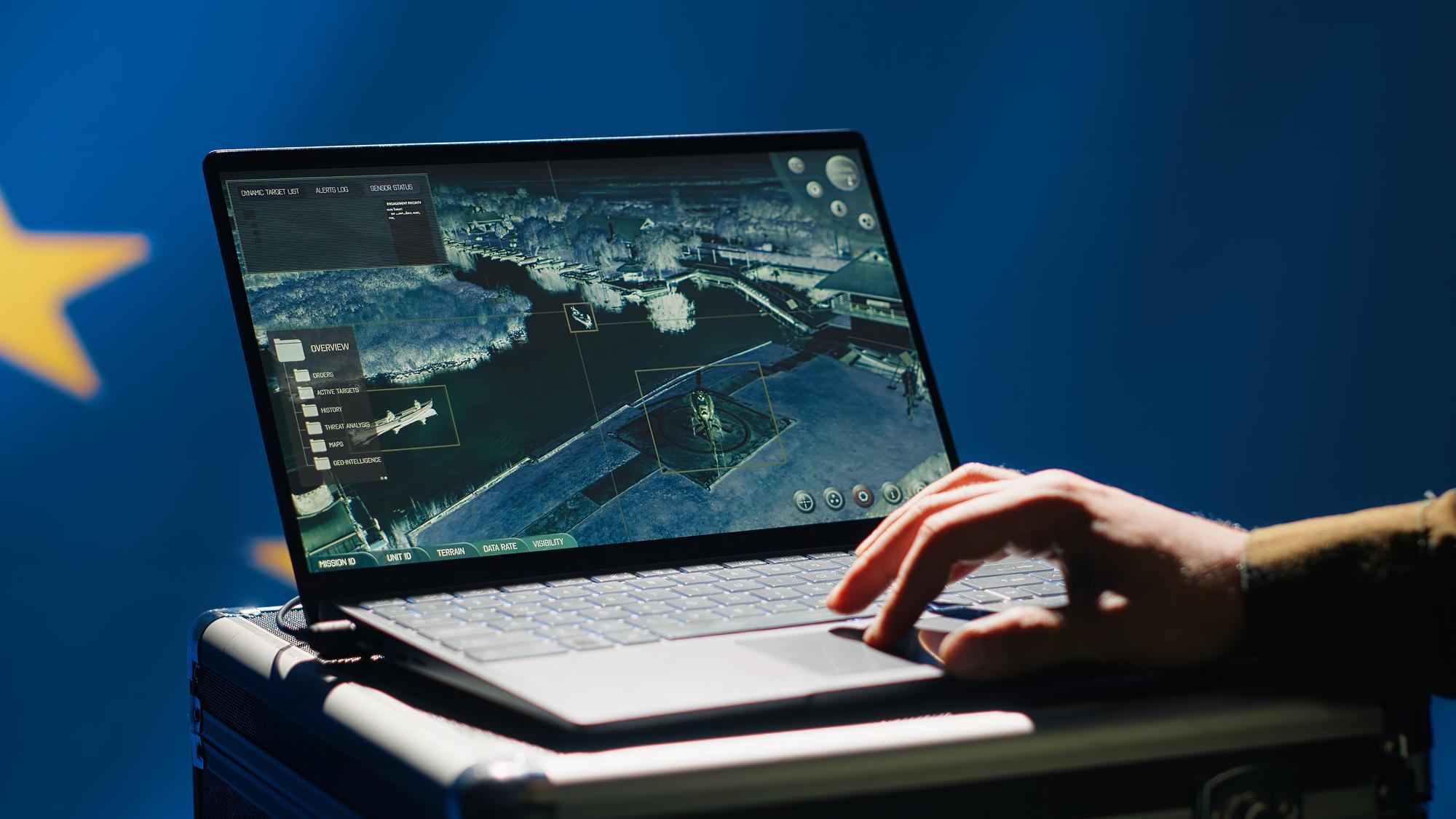
Illustrative application
A reusable container is expected at a production station. Its last recorded event shows it leaving storage, but there is no arrival observation. The coordinator sees the identifier, intended destination, and event history, checks the handoff, and records whether the container was misplaced or the arrival event was missed. This is an illustrative workflow, not a deployment result.
How identification connects with the other engines
A temperature reading becomes more useful when it belongs to the correct shipment. A quality finding needs the right part and production history. An equipment command needs the correct target. Identification supplies this context; measurements, analysis, and any physical response remain the roles of the connected capabilities.
Questions to consider
Do we need to tag every item?
No single approach fits all workflows. Existing serial numbers, batch labels, container identifiers, or software records may provide a starting point. The required level of tracking should follow the operational question.
Can a missing observation prove that an item is absent?
No. It may indicate absence, a missed read, or a communication issue. The application should show the available evidence and the age of the latest observation.
Applications Built on Identification
Identification supports a range of operating applications. The examples below describe how identity and event history contribute; additional sensing, decision support, and equipment integration depend on the intended result.
Asset tracking and visibility
Associate shared tools and equipment with issue, return, and location events so teams can investigate missing items and understand availability.
Traceability and custody
Link items and batches to processing, inspection, and transfer records. Retrieve the known history of a selected item and identify gaps that require reconciliation.
Inventory and material movements
Connect stock items, containers, and storage locations with receiving, transfer, and consumption events. Compare observations with inventory records to investigate discrepancies and incomplete handoffs.
Work in progress
Associate a part, carrier, or batch with production-stage events. Review queue changes and missing transitions alongside the production plan. Determining the reason for a delay may also require equipment or process information.
Workforce and access context
Associate authorized credentials with relevant entry events, assignments, or zones for an agreed operating purpose. Credential recognition alone does not establish access permission, verify every person’s location, or provide emergency accountability.
Cold chain and condition-linked tracking
Link a shipment or container to its temperature observations and handling history. The Sensing Engine provides measurements; the AI Decision Engine can support review of excursions and response priorities.
For any of these applications, begin with the event or decision that matters to your team. We can discuss whether the available identity records are sufficient and what further capture or integration would be useful.
Discuss your application
Tell us about your operation, the problem you want to address, and the equipment or information already available. We can discuss the relevant capabilities, integration needs, and a focused evaluation scope.